
As a 12 year old bookworm, I began, in 1994, reading Peter Straub’s novel Ghost Story on a school band trip.
I was, as you can imagine, insanely hip.

If memory serves (a lot of it is questionable, since the cool kids clearly beat me up a lot at that age) I got about 100 pages into the rather slow-moving tale before something else caught my interest (V.C. Andrews? Mystery Science Theater 3000? Tonya Harding?) and I never reached 101.
What that says about the book is arguable. 1994 was probably the peak of my literary nerdom, so the fact that after getting a quarter of the way through, I never cared to finish might indeed mean I was bored with the storytelling. 17 years and a few more Olympic figure skating scandals later, the far less time consuming siren call of Netflix Instant Watch (or is that redundant now?) let me at least find out how the story ended.

Quick Plot: Meet the Chowder Society, a fireside group of senior citizens who gather twice a month to drink brandy, be rich, and regale one another with scary tales. The gray-haired gang has been chums for over 50 years, all reaching professional success in their snowy New England town. Recently, each member has been experiencing sweat-inducing nightmares, much to the chagrin of their there-to-sigh-with-pots-of-coffee-wives.

The widowed Edward (Douglas Fairbanks Jr.) gets more tragedy when his successful son David falls out of a window to his death. What no one knows is that David stumbled (full frontal nakedly, no less) after discovering his sleeping paramour was stone cold and corpse facey. Less successful son Don returns home for the funeral to act like a jerk before his mourning pops meets his own end after seeing the same corpse facey woman hanging out on a snow covered bridge.

Clearly, there’s a pattern going on here although thankfully, The Gorgeous Woman Who Makes Men Fall To Their Deaths does eventually vary her act. Sensing some secret between the surviving geezers (another one drops soon), Don talks his way into the club with own ghost story.
See, when Don was a fresh-faced young college professor, he left his dowdy girlfriend for the sexy British secretary. After a month of lovemaking and ice cream sundaes, the beauty--named Alma--proposed marriage in Don’s hometown, prompting their breakup, Don’s well deserved termination, and the subsequent engagement of Alma to Don’s dearly departed brother David.

Mystery afoot! Old men in danger! A 1930s flashback! Ghost Story unfolds as a good ghost story should, with layers of creepiness being built and stacked like a many-tiered cake. Unfortunately, like many a many-tiered cake, not all layers are created equal.
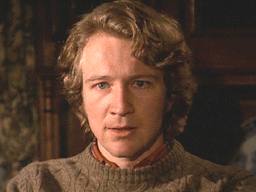
See, when you have such heavyweights as Fred Astaire and John Houseman, it makes following a dull cad like Craig Wasson’s Don quite a pain. Wasson isn’t awful, but Don sure is. We’re introduced to a thirtysomething underachiever who’s been fired from his teaching job--quite rightfully, as we learn--and “isn’t writing much.” As a writer, few devices irk me more than moany film characters who fancy themselves tortured scribes but produce nothing of note.

That’s strike 1.
So what else does Don do to endear his permed self to us? Act like a jerk to his already sad dad, who recently lost his wife before the bizarre and tragic death of his favorite (and we see why, based on Don’s Donness) son. “Did you know I slept with David’s fiancee?” he taunts the poor old guy over dinner. Cute. Sure, we later learn exactly what he means by thing but there IS a thing called tact, even in New England.
Strike 2.
In flashback, we discover more about Don’s dance with the supernatural...which he brought upon himself by asking a woman out for lunch immediately after kissing his own girlfriend goodbye for breakfast. Come ON dude.

I wouldn’t mind an unlikable protagonist if Ghost Story did something with it, and it kind of almost sort of does. Really all the males are weak, slightly misogynist folks, something that makes sense once the ultimate (and not too shocking) secret of their past is revealed. Perhaps there’s a deeper examination about how Ghost Story explores male entitlement, but I think such an observation is more perception than intent.
It would help if Don had ANYTHING redeeming, or if any female character did more than sleep with or comfort her man. Sure, Alice Krige wears multiple hats (though rarely much clothing) but she’s a type rather than person. The woman scorned or hungry sexpot, a symbol meant to drive the plot and look good while doing it. It doesn’t necessarily not work on all levels, but overall, it’s just impossible to care.
High Points
The first two deaths unfold with slightly dated (hello Lair of the White Worm style plummets) but still effective build-up and follow-through, particularly with the old fashioned camera trick of ghost fuzzings.

Low Points
As I’ve mentioned before in such films as The Lady In White and The Changeling, vengeful ghost stories tend to lay stagnant with me once the particulars of how to right the wrong is revealed
Lessons Learned
Never trust a woman that realllllly wants to meet your family

In order to keep your enjoyable teaching job, remember to occasionally go to school and teach
If you want your husband to live to that nice and cozy vacation he just promised you, remember to never do anything loving or sweet or that remotely demonstrates that you might have happy days still ahead

Rent/Bury/Buy
Ghost Story is a film made of its time, an odd not always comfortable mix of the 70s gothic revival and incoming sleaze of the 1980s. Aspects of that work, mostly because it includes thespian royalty. Other parts--okay, anything involving the deplorable Don--tried my patience. At 110 minutes, Ghost Story is not a quick watch, but if you’re someone who really digs, well, ghost stories, it’s certainly something worth a glance. I was personally let down, but this isn’t my genre and you know...I really hated that Don.


 Posts
Posts

